
The introduction of snacks at the young years of weaning has a significant value towards the interaction of the child with food. When carefully selected, baby snacks can contribute to good eating habits which can be maintained until adulthood. This guide describes the role of Baby snacks in healthy eating habits and what you should look at when making a decision there.
The importance of baby snacks in healthy eating patterns
Encouraging exposure to different flavours
Exposing the babies to as many flavours as possible at a tender age assists the babies become more accepting of various foods as they develop. The creators of the snack strive to provide variety in the tastes of different snacks in small portions. Baby snacks can aid flavour exposure in a variety of ways, such as:
- Introducing vegetables early: Snacks prepared using vegetables should be introduced to the baby to introduce her to the flavours of vegetables that are otherwise alien at meal times.
- Exposure to mild spices: You can also expose a baby to light herbs or spices by adding them to snacks to expand his palate over time.
- Variety across snack types: Alternating the snack textures and flavours helps widen the acceptance of foods in the process of learning the eating skills.
- Repeated exposure benefits: When the same flavour is presented repeatedly, even following an initial rejection, there could be enhanced acceptance with repetitions.
Supporting self-feeding and motor skills
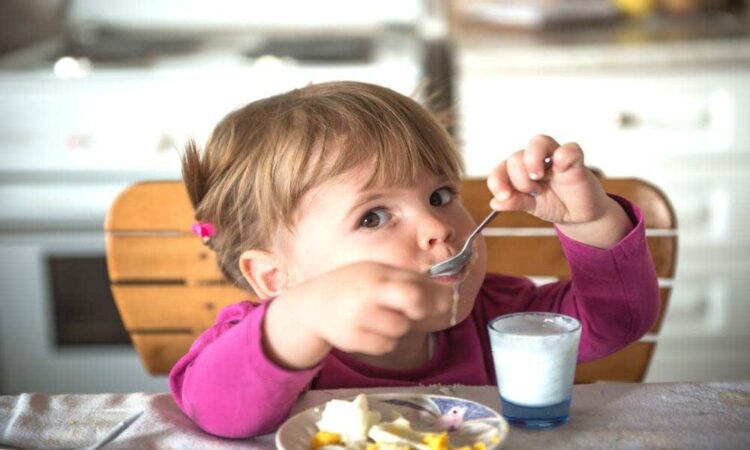
Snack time is a usual time when babies have the opportunity to exercise self-feeding. This helps in the formation of the fine motor skills as well as health eating habits. The advantages of self-feeding that are associated with baby snacks are:
- Encouraging the pincer grasp: Motor skills at the infancy stage like picking snacks are practised using small, easy-to-hold snacks.
- Building hand-eye coordination: Reaching and putting snacks in the mouth will aid in the eye hand coordination.
- Promoting independence at mealtimes: Letting babies feed on their own, despite messes, encourages self-confidence around food.
- Pacing eating naturally: Self-feed assists babies to eat at their pace, promoting the knowledge of the sensation of hunger and fullness.
Providing nutrients in age-appropriate portions
Early child snacks are normally developed with size and texture appropriate to the still-developing digestive tract. This encourages healthy eating without stressing on young appetites. Some of the nutritional considerations that are backed by the right baby snacks are:
- Iron-rich ingredients: Adding to the iron consumption which is essential at the weaning age.
- Whole food ingredients: Snacks composed primarily of familiar whole foods are beneficial to a balanced nutrient intake.
- Reduced added sugar: Choosing foods with less added sugar will build a preference towards naturally flavoured foods.
- Appropriate texture progression: Use of textures that are appropriate in the stage that a baby is in aids in the world of safe chewing and swallowing.
Building positive associations with snack time
The manner of the introduction of snacks may affect the overall attitude of a child towards food. Relaxation snacks with low pressure can be used to instill good eating patterns at a young age. Positive snack-time experiences can help to maintain a healthy diet by:
- Consistent snack routines: Snacks can be given at certain times of the day and are consistent: forming stability in eating habits.
- Calm feeding environments: Reduce any distraction during snacks to be focused on the food and being able to tell when you are hungry.
- Positive reinforcement without pressure: Not being pressured to eat snacks facilitates a healthier relationship with food in the long-term.
- Modelling healthy choices: Complementary eating of caregivers and babies can promote positivity towards the presented food.
Conclusion
When used carefully, baby snacks have the potential to promote healthy eating habits due to their ability to facilitate flavour exposure, the development of motor skills, balanced nutrition, and positive mealtime experiences. These are usually the initial habits to be built on which the healthy eating habits are developed as the children mature.