
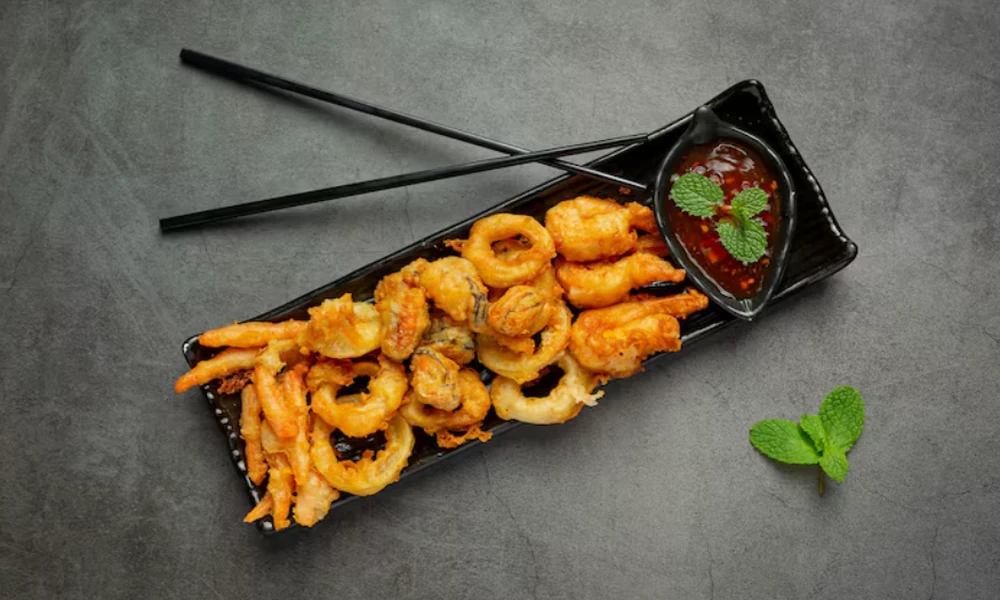
Tempura looks simple. A few ingredients, a quick fry, a delicate crunch. Anyone who has attempted cooking it at home can tell the fact. The key to great tempura is control, particularly in terms of temperature, batter and timing. Understanding these factors is what differentiates thick, oily coatings from the soft crisp, smooth texture that melts on your tongue.
If you’re looking to making your cooking more effective These tempura cooking tricks can help you get closer to achieving restaurant-quality perfection.
The temperature of oil is everything
The primary aspect of tempura is temperature of the oil. Too cold and it absorbs the oil and becomes heavy and oily. Overheated and the exterior gets burned before the inside is cooked.
The optimal temperature range is 350degF to 350degF (175degC between 190degC and 375degF).
The thermometer can be the best instrument however you can examine the oils by dropping some batter. If it sinks briefly then slowly rises and starts to sizzle it means that the oil is ready. If it sinks, and remains there it is cool. If it explodes upon contact the oil, it’s too hot.
Achieving the same temperature when cooking in small portions prevents crowding that can lead to the temperature to drop and results in soggy food.
The Batter The Batter: It’s cold and loosely mixed
The traditional tempura batter is easy consisting of egg, flour and cold water. The trick is to mix the three ingredients.
Make use of ice-cold water. The contrast of temperature between warm oil and cold batter will help make the signature thin crust. Some cooks chill the bowl prior to mixing.
When mixing the ingredients make sure to stir them gently. Do not overmix. There is no problem with lumps. In fact, they’re accepted. Overmixing can cause gluten, which causes the coating to become hard instead of crisp.
A few strokes of chopsticks or a fork are enough.
Select the Best Flour
Low-protein flour gives a light crust. Cake flour is a mixture of all-purpose flour along with the addition of a tiny amount of cornstarch work well. The aim is to limit gluten growth to achieve the best crispness.
This one simple step can drastically increase the quality of your tempura and is among the least-known techniques for cooking tempura.
Ingredients and preparation are important.
Dry ingredients are vital. In the case of shrimp or vegetables, moisture can cause the batter to slip off and create splashes. Dry everything before making a dip.
Cut the vegetables into equal pieces so that they cook in the same way. Slices of thin sweet potatoes and zucchini, along with green beans, mushrooms and eggplant are great choices. For shrimp, cut the belly lightly to prevent them from curling when you fry.
Frying Technique: Patient and Gentle
Dip each piece of food lightly in the batter and let excess run off. Place the piece in your oil far away from your to keep it from splashing.
Be careful not to move the pieces too fast. Let the crust develop before flipping. Most items cook in under two minutes. If the coating becomes light golden and appears to float it is done.
You can drain it on a rack, or paper towel, however don’t stack. Steam trapped between layers destroys crispness.
Dipping Sauce: Clean and Balanced
Classic tempura dipping sauces are straightforward and simple consisting of broth, soy sauce and a hint of sweetness. Fresh or grated daikon ginger gives a bright taste and helps cut through the smoky flavor of the crispy coating.
The sauce should complement the tempura and not overpower it. Make sure it is light, warm and served on a with the tempura.
Salt The Purist’s Finish
Many chefs like to finish tempura with just the finest sea salt. Salt lets its natural sweetness in vegetables and seafood to shine, without distracting.
For a different flavor, mix your salt and matcha with yuzu, or finely crushed dry citrus peel. A light sprinkle prior to serving will highlight the fresh texture and refreshing taste.
Final Thoughts
Tempura isn’t about a heavy preparation or complex techniques. It’s about respecting ingredients and a keen eye for particulars. When the temperature of oil as well as batter handling and the preparation of ingredients with each other, you get an unmistakable, slight crunch that is the hallmark of the perfect tempura.
By following these tempura cooking tricks anyone can add a bit of class to their kitchen, just one crispy bite at one time.
This post was written by a professional at Fortu. Fortu stands out among the top Restaurants St Petersburg FL, offering an elevated Pan-Asian dining experience in the heart of St. Petersburg, Florida. Celebrating Asia’s vibrant and diverse culture, Fortu introduces bright and bold flavors to a bright and bold city with a menu of locally and sustainably sourced options, from small bites to hearty delicacies. Whether winding down from a beach day or celebrating a special occasion, guests can enjoy a lush, alluring atmosphere and an authentic taste of Asia’s divine cuisine at one of the finest Pan-Asian Restaurant.